Staircase and lift issues for W11 flats: Notting Hill fixes
Posted on 10/06/2026
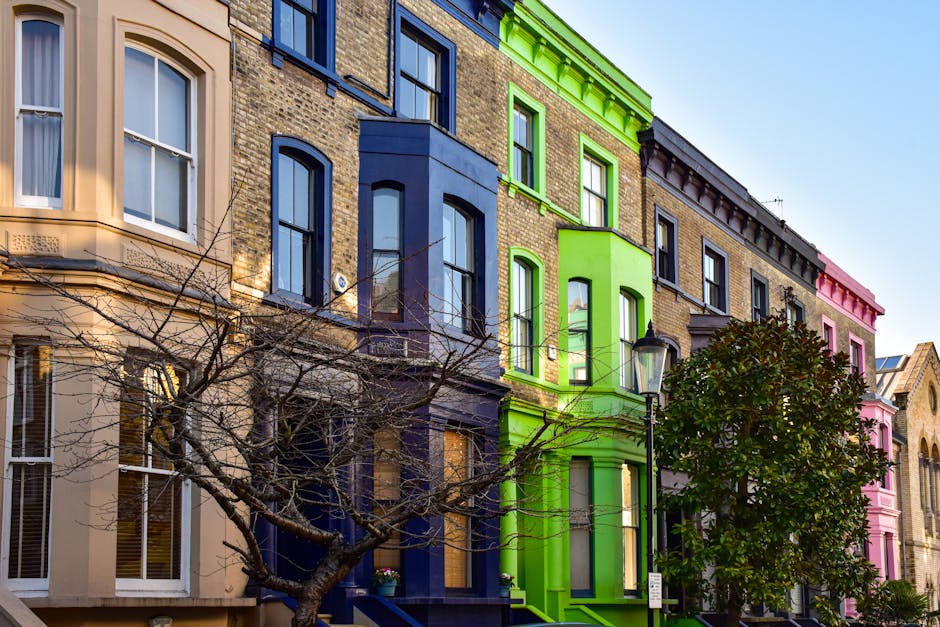
Moving in W11 can feel simple on a map and complicated the moment you reach the front door. One narrow staircase, one temperamental lift, or one awkward landing can turn a routine flat move into a slow, sweaty puzzle. That is exactly why Staircase and lift issues for W11 flats: Notting Hill fixes matter so much. In this guide, we look at the real-world problems people run into in Notting Hill flats, why they happen, and how to handle them without stress, wasted time, or avoidable damage.
Whether you are planning a studio move, carrying furniture into a converted mansion block, or trying to shift a sofa up three floors without waking half the building, the details matter. A lot. The good news? Most access headaches can be reduced with the right planning, the right equipment, and a sensible approach to timing, building rules, and route choice.
Why Staircase and lift issues for W11 flats: Notting Hill fixes Matters
W11 has a very particular housing rhythm. You get period conversions, garden flats, maisonettes, top-floor walk-ups, and buildings where the lift is less "feature" and more "hopeful suggestion". That is part of the charm, to be fair, but it also creates a practical problem: access.
If a staircase is too tight, too steep, or awkwardly turned, even a modest move can become exhausting. If the lift is small, unreliable, or not available for removals, you may need to carry everything by hand. And if both are poor, the whole day can unravel unless you plan carefully.
This matters for more than convenience. Access issues affect timing, labour, safety, and the chance of damage to the property. They also affect neighbours. A heavy wardrobe scraping a bannister at 8 a.m. is not the kind of soundtrack anyone wants. If you are living nearby, you will know that in Notting Hill, buildings often sit close together and sound travels. A quiet, careful move is not just polite; it is smart.
There is also a commercial side. If you are comparing moving options, access difficulty changes the shape of the job. A standard flat move may need extra hands, longer loading time, protective materials, or a smaller vehicle that can work better on narrow roads. For background reading on local moving services, it can help to review the services overview and the furniture removals in Notting Hill pages to understand how access-sensitive moves are usually handled.
Key point: staircase and lift issues are not side details. In W11, they often determine the whole moving strategy.
How Staircase and lift issues for W11 flats: Notting Hill fixes Works
The best fixes usually start before anything is lifted. You assess the building, identify the bottleneck, and decide whether the move should be adjusted around it. That sounds obvious, but in practice people often skip straight to booking a van and then discover a very narrow stairwell on the day. Ouch.
Here is the simple version of how good access planning works:
- Measure the route from front door to flat door, including stairs, turns, corridors, and lift dimensions.
- Check building rules so you know whether lifts can be booked or protected during a move.
- Match the item to the route by checking furniture size, weight, and awkward shapes.
- Choose the right moving method such as smaller loads, extra handlers, dismantling, or temporary storage.
- Protect the property with covers, blankets, floor runners, and corner guards where needed.
- Sequence the move carefully so the heaviest or most awkward items go first, while everyone still has energy and patience.
For example, a bulky wardrobe in a Victorian conversion might not make the turn on a split staircase. In that case, the fix is not brute force. It may be dismantling, removing doors, using additional lifting straps, or arranging a different route through the building. Sometimes the smartest solution is simply changing the plan.
That is also where a local team with Notting Hill experience earns its keep. Buildings in this part of London can be charming and inconvenient at the same time. A crew familiar with flat removals in Notting Hill will usually expect tight staircases, basement access, second-floor walk-ups, and lifts that are too small for anything except optimism and one medium suitcase.
And yes, sometimes the lift is there but not really usable. Maybe the doors are narrow. Maybe the management company says no moves in the lift after midday. Maybe the lift is just painfully slow. In that case, staircase planning becomes the real plan.
Key Benefits and Practical Advantages
Good access planning does more than prevent a headache. It changes the whole pace of a move.
- Less damage risk: walls, banisters, floors, and furniture are less likely to get scuffed or chipped.
- Better time control: you avoid those long pauses where nobody is sure whether the sofa will fit.
- Lower stress: when the route is mapped out, the day feels calmer and more predictable.
- Safer handling: awkward items are less likely to cause slips, strains, or collisions.
- Better neighbour relations: fewer noise complaints and less blocked communal space.
- More accurate planning: you can budget labour and time more realistically.
There is a commercial advantage too. If you know a lift is tiny, you can avoid overfilling it with items that must then be carried back down one by one. If you know the staircase has a sharp turn, you can dismantle furniture ahead of time and save the sort of delay that always seems to happen at the worst possible moment.
People often underestimate the difference between "a flat move" and "a flat move with access issues". They are not the same job. Not even close.
For anyone weighing up broader moving support, the local guidance on removals in Notting Hill and removal services in Notting Hill can help frame what's possible when the stairs or lift are the main constraint.
Who This Is For and When It Makes Sense
This kind of planning is useful for far more people than just large households. In fact, some of the most access-sensitive moves are small ones.
- Tenants in upper-floor flats with narrow staircases or shared halls.
- Homeowners in converted buildings where hallways twist and turns are tight.
- Students and young professionals moving in and out with limited time and a lot of boxes.
- Families who need to shift prams, beds, wardrobes, or white goods.
- Landlords and agents arranging quick turns between lets.
- Anyone with bulky or fragile items such as mirrors, pianos, or antique furniture.
If your building has a lift, that does not automatically make things easy. A lift can be too small for a sofa, too slow for a larger move, or out of service on the day you need it most. Meanwhile, stairs can be perfectly manageable for boxes but terrible for anything long, heavy, or oddly shaped.
That is why the best time to think about staircase and lift issues is before move day, not during it. If you are living in a busy part of W11, especially near main routes where parking and loading are already tight, the access plan becomes part of the whole moving picture. For context on local living conditions and what residents tend to notice day to day, the article on what locals say about living in Notting Hill is a useful companion read.
Step-by-Step Guidance
Here is a practical way to handle stair and lift issues in a W11 flat without overcomplicating it.
1. Survey the building properly
Start at the entrance and walk the route all the way to the flat. Look at turn angles, ceiling height, bannisters, fire doors, and any communal furniture or wall fittings that may narrow the path. If a lift exists, check the cabin size, door opening width, and whether there is enough room to manoeuvre items safely.
2. Measure the awkward items first
Do not guess. Measure the tallest, widest, and heaviest items you need to move. Sofas, wardrobes, mattresses, dining tables, desks, and pianos are the usual troublemakers. If something is close to the threshold of the staircase width, treat it as a problem item until proved otherwise.
3. Ask the building about access rules
Some blocks require lift booking. Some need advance notice. Some have preferred move times. A few are strict about protective coverings or refuse access at certain hours. The odd thing is, this information is usually available if you ask early. Not glamorous, but effective.
4. Decide whether dismantling is worth it
Sometimes dismantling a bed frame, table, or wardrobe is the difference between a smooth move and a near-disaster. If the item is flat-pack or easy to take apart, it often saves time. If it is antique, fragile, or already a bit wobbly, you may want a more careful approach. This is where judgement matters.
5. Protect surfaces before anything moves
Use door protection, floor covers, and blankets where needed. In older Notting Hill buildings, paintwork can be delicate and stair edges are often already worn. A bit of protection goes a long way. It also gives everyone more confidence, which sounds minor, but really isn't.
6. Load in the right order
Heavy, awkward items should generally be planned around the access route rather than treated as an afterthought. Start with the items that need the most manoeuvring while the team is freshest. Boxes can follow. Small items are easier to adjust around the remaining space.
7. Allow time for the unexpected
Because something usually happens. A lift door sticks. A neighbour is leaving with a pushchair. A parking space disappears. A sofa looks like it will fit, until the final corner. Leave a buffer. You will thank yourself later.
If you are moving on a tighter timetable, local support like same-day removals in Notting Hill can be relevant, but only if the access situation is understood first. Speed is helpful. Blind speed is not.
Expert Tips for Better Results
These are the details that often separate a clean move from a messy one.
- Bring more protection than you think you need. A spare blanket or floor cover is rarely wasted.
- Check the lift at the exact time of day you'll use it. A lift that is fine at noon may be painfully busy at 8 a.m.
- Take photos of tricky corners. They help everyone visualise the route and prevent "it should fit" optimism.
- Use short communication. On the day, clear instructions beat long discussions. Simple is best.
- Keep hallways clear. A cluttered landing makes everything slower and increases the chance of knocks.
- Plan for weather. Rainy stairwells and wet paving make the whole process more slippery, literally and mentally.
There is one more thing: know when to stop forcing an item. If the route is wrong, the answer is not always more effort. Sometimes it is a pause, a re-angle, or a different method. Slightly frustrating in the moment, yes. Much better than chipped plaster and a strained back.
For larger or more delicate items, pages like piano removals in Notting Hill and packing and boxes in Notting Hill can help shape the right preparation mindset, even if you are not moving a piano. The principles are the same: plan the route, protect the item, respect the building.
Common Mistakes to Avoid
Most access problems are predictable. That is the slightly annoying truth. They are also avoidable if you know what to look for.
- Assuming the lift is usable for removals. Passenger lifts and move-day lifts are often not the same thing.
- Skipping measurements. Hope is not a measuring tool, despite what people occasionally seem to believe.
- Ignoring the staircase shape. A narrow straight stair is one thing; a tight L-turn is another entirely.
- Leaving bulky items assembled. A wardrobe is far easier to move when broken down safely.
- Forgetting neighbour logistics. Shared access and timing can matter more than the actual carrying.
- Booking too little time. Access issues always take longer than people expect. Always.
A subtle mistake is underestimating fatigue. A few trips up and down stairs may not sound like much at first, but by the end of the day it can turn into heavy breathing, clumsy handling, and slower decision-making. That is when little accidents happen. The remedy is to pace the work instead of rushing it.
And if you are clearing out old furniture before a move, the article on bulky waste removal and council disposal options can be helpful for working out what should be removed, recycled, or kept out of the moving route altogether.
Tools, Resources and Recommendations
You do not need fancy kit to make access easier, but a few practical tools really help.
| Tool or resource | What it helps with | Why it matters in W11 flats |
|---|---|---|
| Measuring tape | Route and furniture measurements | Prevents guesswork in tight stairwells |
| Furniture blankets | Surface protection | Helps protect walls, bannisters, and item finishes |
| Floor runners | Floor protection and grip | Useful in communal halls and polished entrances |
| Straps and harnesses | Better handling of heavy items | Safer on stairs than trying to carry by hand alone |
| Dismantling tools | Breaking down furniture | Often the difference between fit and no fit |
| Building access notes | Lift booking, timing, restrictions | Reduces delays and awkward surprises |
There are also a few pages worth keeping in mind when planning a move with difficult access. The local man with a van in Notting Hill option may suit smaller, access-heavy moves, while the broader removal companies in Notting Hill page can help you compare levels of support if the job needs more hands.
If you are trying to keep costs sensible, checking pricing and quotes before you commit is sensible. Access issues can change the scope of work, so clarity upfront is worth its weight in gold. Or at least in saved time, which is more practical.
Law, Compliance, Standards and Best Practice
When staircase and lift issues affect removals, the main concern is usually safety and building rules rather than anything dramatic. Still, it is worth being careful. In the UK, movers and building occupants generally need to act in line with sensible health and safety practice, protect shared property, and avoid creating unnecessary risk in communal areas.
For flats in W11, best practice usually includes:
- keeping shared corridors and stairwells clear;
- using proper lifting technique and enough people for heavy items;
- protecting floors, walls, and doors where needed;
- following building-specific access rules;
- avoiding damage to lifts, especially in older or compact buildings;
- making reasonable arrangements around neighbours and peak times.
That last point is easy to miss. A perfectly planned move can still create problems if it blocks a communal entrance or leaves a lift unusable for everyone else. The goal is not just to get your items in or out. It is to do it without causing a wider disruption.
If insurance, handling standards, or responsibility questions are on your mind, the pages on insurance and safety and health and safety policy are useful reference points. They help set expectations about careful handling and responsible work practices.
Options, Methods, or Comparison Table
Not every W11 access problem needs the same solution. Here is a quick comparison of common approaches.
| Method | Best for | Pros | Drawbacks |
|---|---|---|---|
| Use the lift | Small boxes, light furniture, quick moves | Less carrying, often faster | May be too small, unavailable, or restricted |
| Stair carry | Buildings with no practical lift access | Reliable when planned well | Harder on staff and slower for bulky items |
| Dismantle furniture | Wardrobes, beds, tables, shelving | Makes awkward items manageable | Takes preparation time and careful reassembly |
| Small-load shuttle | Restricted access, narrow roads, multi-trip moves | Flexible and easier to control | May take longer overall |
| Short-term storage | Items that cannot safely fit on the day | Reduces pressure and risk | Adds an extra step to the move |
In practice, the best answer is often a mix of these. A common Notting Hill pattern is: use the lift for boxes, carry smaller furniture up the stairs, dismantle the awkward pieces, and place one or two oversized items into storage if the route is just too tight. Simple. Not always easy, but simple.
If your move is tied to a larger property change, it can help to read about house removals in Notting Hill as well as local property insights like buying a house in Notting Hill and real estate investment tips in Notting Hill. Access is often part of the property value conversation, even if people only think about it once the sofa arrives.
Case Study or Real-World Example
Consider a typical W11 scenario. A couple is moving into a top-floor flat in a converted Victorian building near a busy road. There is a lift, but it is narrow and slow. The staircase is curved, the landing is tight, and one of the bedrooms has a door frame that seems to have been designed by someone who disliked furniture.
At first glance, the move looks manageable. Boxes? Fine. Lamps? Fine. A bed frame, mattress, sideboard, and sectional sofa? Less fine. The sofa, especially, is the kind of item that looks harmless in the showroom and then becomes a small architectural problem in real life.
The solution in this case would usually be:
- measure the staircase and lift before moving day;
- dismantle the bed frame in advance;
- wrap the sofa and test the route before fully committing;
- book the lift slot if the building allows it;
- protect the walls and stair rails;
- shift the heaviest items first while everyone is fresh.
In one such move, the most useful decision was actually the simplest one: the large sideboard was not forced through the main stairwell at all. It went via a shorter internal route after one door was temporarily removed. No drama, no scraped plaster, and everyone got home with a working back. That is the kind of fix people remember.
And honestly, that is the whole point. The best solution is often not the most heroic one. It is the calm one.

Practical Checklist
Use this before move day.
- Measure the staircase, lift, and all major furniture items.
- Check whether the lift can be booked or is suitable for removals.
- Ask about building access rules, move times, and protective requirements.
- Identify any awkward turns, low ceilings, or narrow landings.
- Decide which items should be dismantled in advance.
- Arrange floor and wall protection where needed.
- Confirm parking and loading arrangements for the vehicle.
- Separate fragile items and label boxes clearly.
- Keep a buffer in the schedule for delays.
- Have a fallback plan for items that do not fit as expected.
If you are still deciding how much support you need, the local pages for man and van in Notting Hill, removal van in Notting Hill, and storage in Notting Hill can help you match the service to the problem rather than forcing the problem to fit the service. That is the smarter way round.
Get a free quote today and see how much you can save.
Conclusion
Staircase and lift issues in W11 flats are not unusual. They are part of the local fabric, really. But they do not have to derail a move. Once you treat access as a core part of the plan, rather than an annoying extra detail, everything becomes easier to handle: timing, safety, neighbour relations, and the actual lifting itself.
The most reliable approach is usually the least dramatic one. Measure properly. Check the lift. Protect the building. Dismantle what needs dismantling. Leave time for the unexpected. And if the access looks genuinely awkward, work with it rather than against it. That is how you avoid damage and keep the day moving.
Notting Hill has its quirks, but that is also part of why people love living here. A careful move through a tricky staircase can feel like a small victory. A mundane one, maybe. But a satisfying one all the same.